When A Son Stops Loving His Mother
What happens when a son reaches adulthood and no longer feels love for his mother? A reflection on parental wounds, emotional estrangement, Caribbean family culture, the making of men, breaking generational cycles and the quiet ways love can disappear.
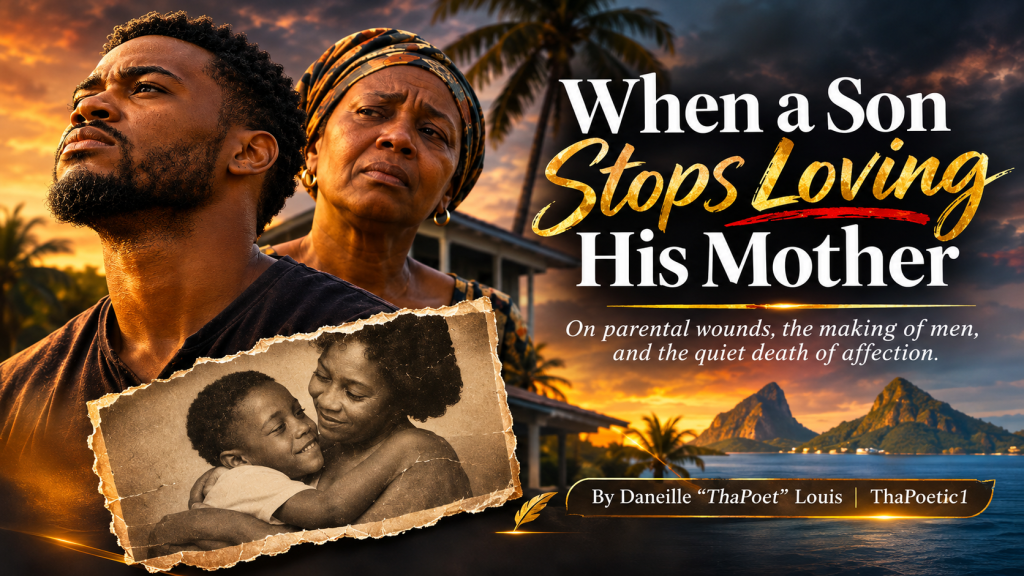
On parental wounds, the making of men, and the quiet death of affection.
By Daneille “ThaPoet” Louis | ThaPoetic1
There is a kind of death that requires no funeral.
Nobody is buried. Nobody stops breathing. The world continues as though nothing has happened.
Yet somewhere, a son looks at the woman who brought him into existence and realises that something once sacred has disappeared.
He does not wish to harm her. He does not necessarily wish her suffering. He may even hope that life treats her kindly.
He simply no longer wants her in his.
And perhaps the most frightening part is not the anger that brought him here.
It is the absence of love where love once lived.
What becomes of a human being when the first woman he was taught to love becomes someone he must learn to live without?
And what becomes of society when we continue producing children whose earliest lessons in love become their deepest lessons in emotional survival?
These are questions worth asking before another generation inherits wounds it did not create.
The First Woman and the First Understanding of Love
Before a boy understands romance, marriage, loyalty or betrayal, he begins learning what relationships mean.
He learns through the people who raise him.
Through their voices. Their responses. Their tenderness. Their silences.
Through what happens when he cries, makes mistakes, asks questions or fails to meet expectations.
His mother may be his first experience of unconditional affection. She may also be his first experience of emotional unpredictability, rejection, humiliation or fear.
Of course, not every mother is the primary caregiver, and no single relationship determines a child’s future. Fathers, grandparents, siblings, teachers and communities also shape the developing mind.
But where a mother occupies the centre of a boy’s emotional world, that relationship can carry extraordinary weight.
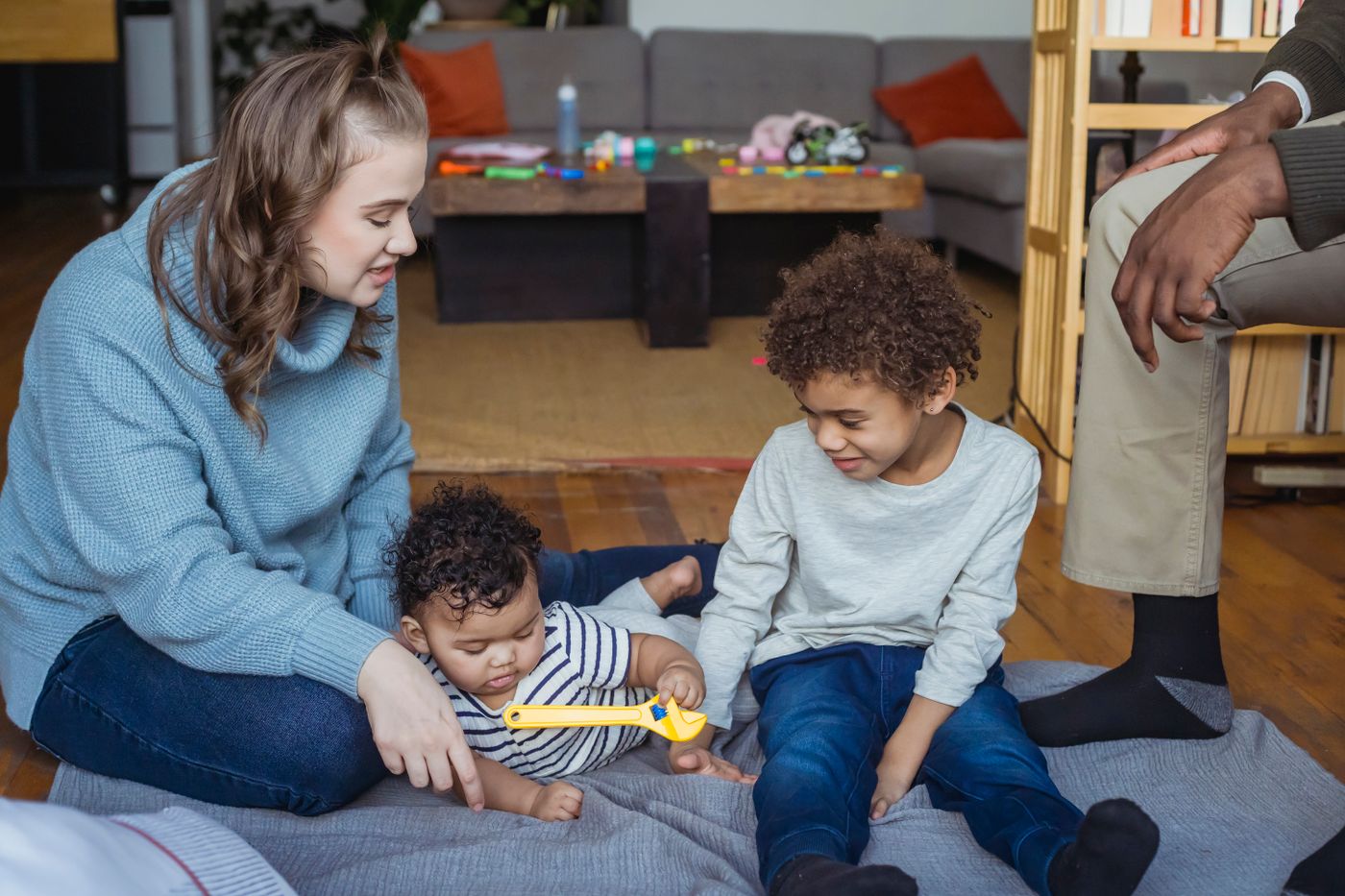
Imagine the confusion of a child who loves someone deeply but cannot consistently feel safe with them.
He may learn to anticipate moods before expressing needs.
He may become extraordinarily observant, not because he was born unusually perceptive, but because understanding the emotional atmosphere became a way of protecting himself.
He may learn to be useful before learning to be loved.
And eventually, he may stop asking for what he has repeatedly been unable to receive.
Some boys do not become independent because they were taught freedom. They become independent because dependence became painful.
There is a difference.
When Provision Becomes a Substitute for Connection
One of the most difficult conversations we must have with parents concerns sacrifice.
Especially in societies where poverty, economic pressure and generational hardship have made survival a daily battle.
Many mothers have endured extraordinary circumstances to feed, clothe and educate their children.
Those sacrifices deserve recognition.
But there is a dangerous assumption hidden inside the language of parental sacrifice:
Because I provided for you, I have fulfilled everything you could reasonably ask of me.
A child needs food.
But he also needs dignity.
He needs shelter.
But he also needs emotional safety.
He needs discipline.
But he also needs the opportunity to make mistakes without believing that his humanity is defective.
Providing for a child is an enormous responsibility. Yet provision does not automatically produce intimacy.
A son can remember every sacrifice his mother made and still remember every moment he felt small in her presence.
Both memories can be true.
This is particularly important in Caribbean households, where ideas of respect, obedience, sacrifice and parental authority can sometimes make honest conversations about emotional harm difficult.
We must be willing to ask whether our cultural understanding of respect occasionally protects authority at the expense of accountability.
A parent may say, “After everything I’ve done for you.”
But a grown son may silently answer:
“I know what you did for me. I also know what it felt like to be me while you were doing it.”
Neither statement erases the other.
The Men We May Be Creating
A wounded boy does not become one predictable kind of man.
Human beings are not machines. Childhood experiences influence development, but they do not write an unchangeable destiny.
Research on childhood adversity supports the need for precisely this kind of caution: adverse experiences are associated with later difficulties in emotional regulation, but individual outcomes vary considerably. A painful childhood is an influence, not a prophecy.
Nevertheless, early relationships can shape how men understand affection, authority, conflict, vulnerability and belonging.
And sometimes the consequences are visible long after the childhood home has been left behind.

The Man Who Cannot Trust Love
He may become suspicious of kindness.
He questions affection, anticipates abandonment and struggles to believe that someone can love him without eventually using his vulnerability against him.
He wants intimacy but fears what intimacy requires.
He may repeatedly test the loyalty of people who have done nothing to betray him.
And without recognising it, he can begin punishing innocent people for injuries they never inflicted.
The Man Who Becomes Emotionally Unreachable
This man may appear calm, disciplined and remarkably self-sufficient.
He rarely asks for help.
He does not explain his pain.
He can walk away from relationships with a composure that others find almost frightening.
But emotional distance is not always emotional mastery.
Sometimes it is the residue of a childhood in which expressing feelings brought criticism, dismissal or further conflict.
He has learned to survive without emotional dependence.
The tragedy is that he may eventually struggle to distinguish healthy interdependence from danger.
The Man Who Confuses Control With Safety
Some men respond to emotional instability by trying to control everything around them.
Their environments. Their finances. Their routines. Their relationships.
Control offers the illusion that nothing unexpected can hurt them again.
At its worst, this pattern can become possessiveness, aggression, manipulation or an inability to tolerate disagreement.
These behaviours are not inevitable consequences of childhood wounds, nor are they excused by them.
A painful past may help explain a man’s fears. It does not absolve him of responsibility for how he treats others.
The Man Who Builds an Empire to Escape His Childhood
And then there is the builder.
The boy who grows into a man determined never to experience helplessness again.
He studies. He works. He creates businesses. He accumulates knowledge, resources and independence.
He may become an extraordinary provider, visionary or leader.
Yet beneath the ambition there may be a question he has never answered:
Am I building because I love what I am creating, or because I am terrified of ever needing someone again?
There is nothing wrong with turning pain into achievement.
But wealth cannot automatically heal abandonment. Status cannot replace belonging. And independence, however valuable, can become another prison when a man cannot permit himself to be loved.
A man can conquer the world and still be running from the house in which he was raised.
The Other Possibility: Men Who Break the Cycle
There is another story.
A son may emerge from a difficult childhood with a profound understanding of what human beings should never have to endure.
He becomes intentional about his words because he remembers the damage words can do.
He becomes patient with children because he remembers what impatience felt like.
He learns to apologise because he knows how painful it is to wait for an apology that never comes.
He becomes protective without becoming controlling.
Strong without becoming cruel.
Independent without becoming incapable of intimacy.
Perhaps he becomes the father who listens.
The husband who communicates.
The leader who refuses to humiliate.
The man who understands that authority is not permission to destroy another person’s dignity.
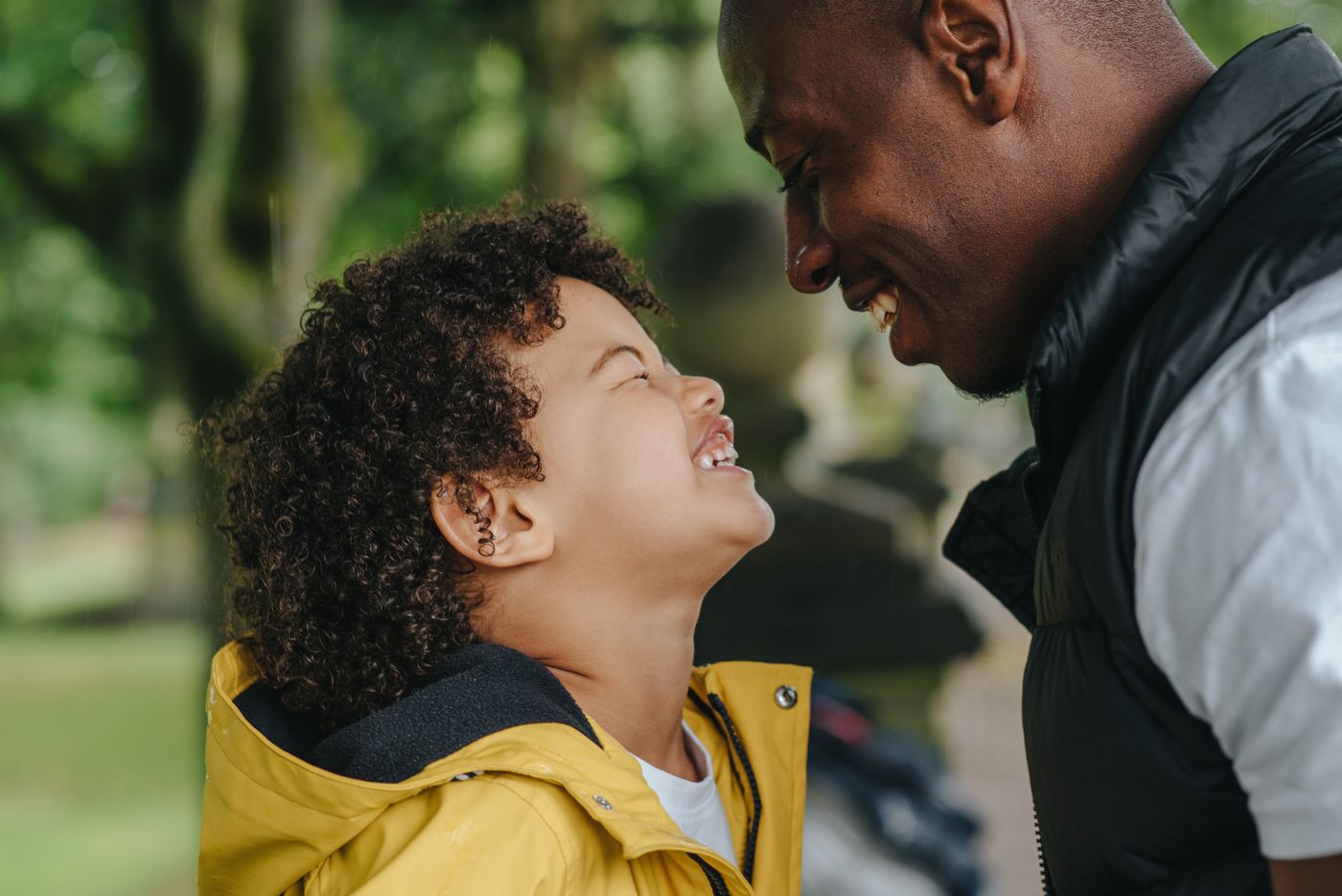
But we must resist romanticising suffering.
Pain does not automatically produce wisdom.
Adversity does not guarantee greatness.
Some people develop extraordinary compassion despite what happened to them, not because the harm was necessary.
The real achievement is not merely surviving one’s childhood.
It is learning which lessons deserve to be carried forward and which must end with us.
The Sociology of Silence
Families do not exist outside society.
They inherit beliefs about hierarchy, gender, religion, discipline, loyalty and obligation.
In many communities, children are taught to honour their parents long before parents are asked to consider what makes them worthy of continued emotional closeness.
The command to respect elders can be valuable.
But when respect becomes unquestioning submission, the family can become a place where power is protected more carefully than truth.
Consider how frequently an adult child who distances himself from a parent is described as ungrateful.
People may ask:
“How could you abandon your own mother?”
Far fewer begin with:
“What happened between them?”
This does not mean every estrangement is justified or every parent is responsible. Families are complicated. Adult children can behave unfairly, misunderstand events or contribute to conflict themselves.
Research on family estrangement reinforces that complexity. Estrangement is not one single phenomenon with one universal cause. Relationships may move into and out of estrangement, and differences in values, family circumstances and relational histories can all matter.
But our moral judgement should not begin and end with blood.
A relationship deserves examination through conduct, not merely through titles.
Mother.
Father.
Son.
Daughter.
These words describe relationships.
They do not tell us whether those relationships are healthy.
And a society that demands family unity without making room for accountability may preserve the appearance of family while losing its substance.
The Day Love Becomes Exhaustion
Estrangement does not always begin with a dramatic confrontation.
Sometimes it develops through years of smaller disappointments.
A conversation that never happens.
An apology that never arrives.
A boundary repeatedly crossed.
A feeling repeatedly dismissed.
Eventually, the child who once fought desperately to be understood may stop explaining himself.
He may stop arguing.
Stop seeking approval.
Stop sharing good news.
Stop expecting tenderness.
The silence that follows may look like peace from the outside.
But inside it may contain grief, exhaustion, resignation and an unfamiliar emptiness.
And then comes a thought that many people would be ashamed to admit:
“I don’t think I love my mother anymore.”
Not necessarily because he wants revenge.
Not because he wants her harmed.
But because the emotional connection he once protected has become something he can no longer recognise.
Parents should understand something about this moment.
The opposite of love is not always hatred. Sometimes it is the exhaustion of trying to keep love alive alone.
That sentence is not a clinical diagnosis. It is a human possibility.
And it deserves to be taken seriously.
A Warning to Parents
Your children will grow.
One day, they will become adults with their own homes, beliefs, relationships, responsibilities and choices.
Your authority over them will change.
And when they no longer depend on you for survival, the relationship that remains will depend increasingly on mutual willingness, respect and care.
Do not assume that because your child once needed you, they will always feel close to you.
Do not confuse fear with respect.
Do not mistake silence for agreement.
Do not use the sacrifices of yesterday to avoid accountability for the harm of today.
And please, do not wait until your child has become emotionally unreachable before deciding that their feelings deserve attention.
Listen while they are still trying to explain.
Apologise while the relationship still has room for repair.
Allow them to disagree without treating independence as betrayal.
Understand that your children are not extensions of your identity. They are human beings entrusted to your care.
Your responsibility is not to produce obedient adults who spend their lives repaying you for raising them.
It is to help develop human beings capable of living with dignity, discernment, compassion and freedom.
The greatest evidence of successful parenting is not a child who fears leaving you. It is an adult who can freely choose a relationship with you because that relationship remains a source of mutual respect and care.
To the Son Who No Longer Feels Love
There is something I want you to understand.
You do not have to turn your mother into a villain to acknowledge that your relationship with her has hurt you.
You do not have to deny her sacrifices to recognise your own suffering.
You do not have to manufacture affection to satisfy society’s expectations.
And you do not have to decide today whether your present emotional state will last forever.
You may need distance.
You may need boundaries.
You may need to grieve a relationship that never became what you hoped it would be.
You may need to learn that the emotional survival strategies which once protected you are not always the strategies that will help you build a fulfilling adult life.
But there is one responsibility that remains yours.
Do not allow the pain you inherited to become the pain you distribute.
Do not make a partner responsible for proving that love is safe.
Do not make your children responsible for repairing your childhood.
Do not mistake emotional numbness for enlightenment or bitterness for wisdom.
You are permitted to build a life beyond the relationship that wounded you.
And if reconciliation ever becomes possible, let it be grounded in genuine change, not guilt, pressure or the fear of what other people will say.
Forgiveness, where it occurs, does not require unrestricted access.
Peace does not always require reunion.
And healing does not require pretending that the past was different.
The Legacy We Leave in One Another
We often discuss inheritance in terms of money, property, land and possessions.
But there are inheritances that cannot be measured in currency.
The way a man responds when his partner cries.
The way he speaks to his children when he is frustrated.
The way he handles rejection.
The way he receives affection.
The way he apologises.
The way he understands love.
These, too, are forms of inheritance.
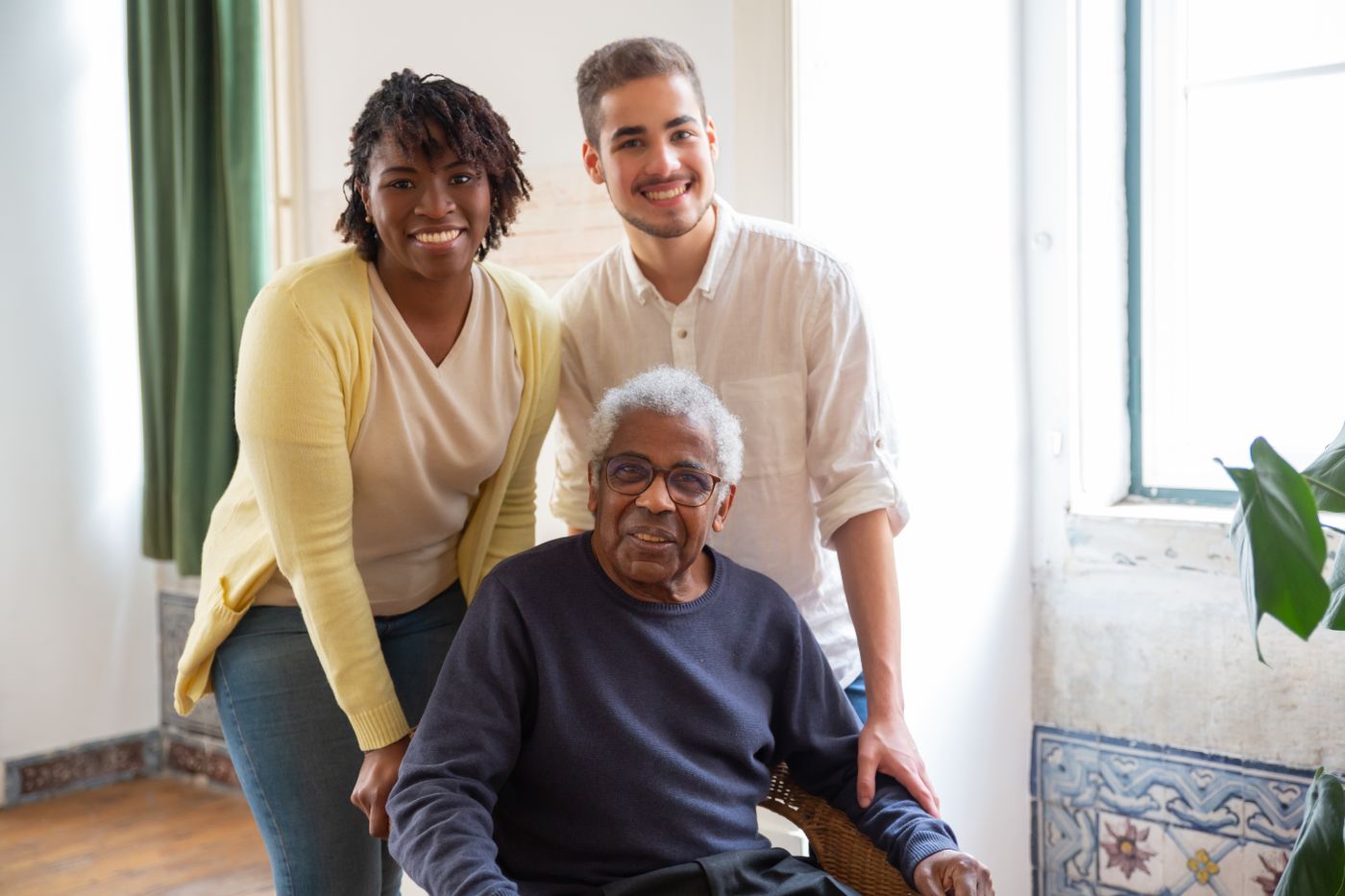
And perhaps the most important question a parent can ask is not simply:
What will I leave my children when I die?
But:
What will remain inside my children because I lived?
Will your voice become their inner encouragement or their inner critic?
Will your example teach them tenderness or fear?
Will they remember your presence as a refuge or something they had to recover from?
No parent can guarantee a perfect relationship. No childhood is without disappointment, and no adult is beyond responsibility for their own choices.
But every generation has an opportunity to become more conscious of what it passes forward.
And every wounded adult has an opportunity, however difficult, to interrupt a pattern rather than reproduce it.
Perhaps that is where legacy truly begins.
Not with the wealth we accumulate.
Not with the name we preserve.
Not even with the sacrifices we make.
But with the quality of human beings we help one another become.
Because somewhere in this world, a mother is wondering why her son no longer calls.
And somewhere else, a son is sitting quietly, wondering how he reached a point where he no longer misses her.
Neither may fully understand how they arrived there.
And that is the tragedy.
Not that love must always survive.
But that sometimes, by the time we recognise what has been lost, the people involved no longer know how to find their way back.
So love your children in ways they can actually feel. Respect the people they are becoming. And remember that giving someone life is only the beginning of the responsibility of helping them live.
— Daneille “ThaPoet” Louis
ThaPoetic1 — Inner Mastery. Outer Success.
Exploring the human condition, conscious living and the legacy we leave behind.
What Ends With You?
Some inheritances arrive as property. Others arrive as patterns.
If this reflection has brought you face to face with something you inherited emotionally—and something you no longer want to pass forward—the work may begin with becoming conscious of what has been shaping you.
If you are navigating a period of personal realignment, a Creative Alignment Session offers a private space to examine where you are, what you are carrying and what you want the next chapter of your life to become.
Research & Further Reading
This essay is a cultural and philosophical reflection, not a clinical diagnosis. Research on childhood adversity, emotional regulation and family estrangement is complex, and individual experiences vary.
Childhood Adversity and Affective Instability — Meta-analysis
Parent–Adult Child Estrangement in the United States
Estrangement Between Mothers and Adult Children: The Role of Norms and Values